 Skip to content
Let’s dive into the intriguing world of Social Security benefits and their tax implications.
Is Social Security Taxable?
Yes, indeed! The rules of the Internal Revenue Service (IRS) dictate that many recipients of Social Security benefits may need to pay income tax on that money. But fear not—I’ll break it down for you:
- The Magic Term: Combined Income
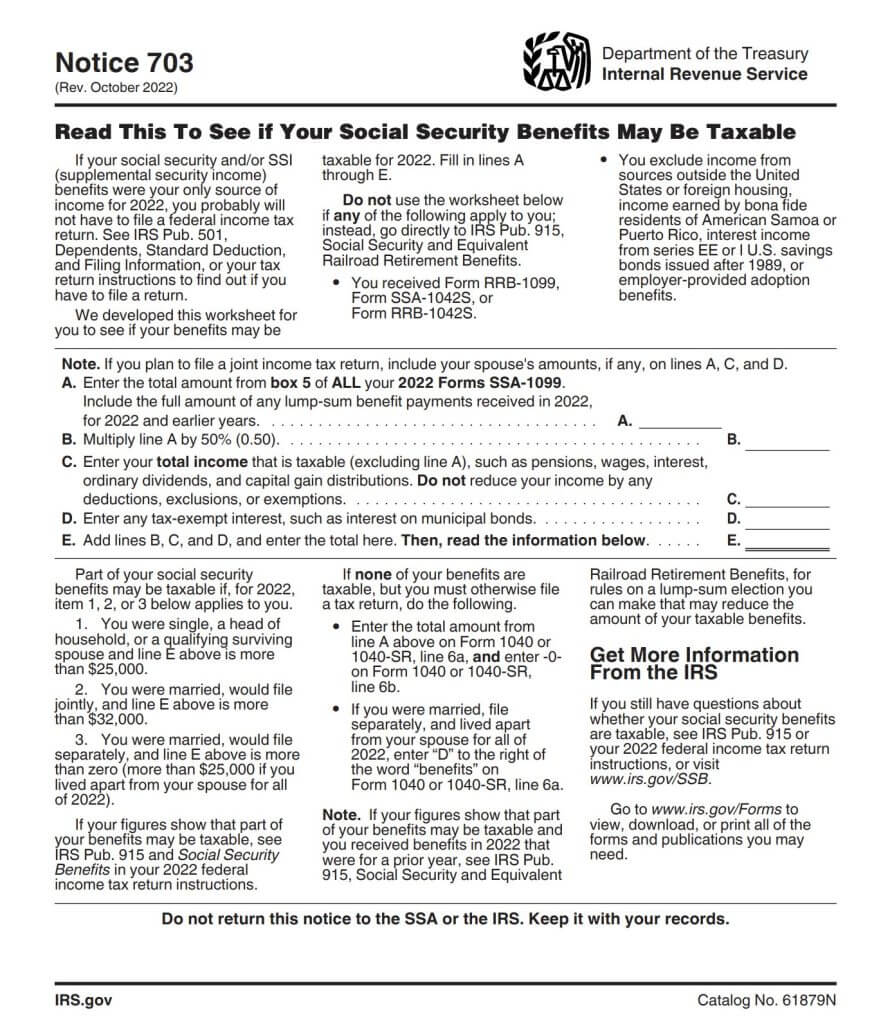
- The amount you pay in taxes on your Social Security benefits is determined by what the IRS calls “combined income.” This isn’t just your Social Security check; it’s a mix of all your income sources.
- What’s Included in Combined Income?
- Brace yourself—it’s a medley! Your combined income includes:
- Wages: If you’re still working, those hard-earned paychecks count.
- Self-Employment Income: If you’re a freelancer, entrepreneur, or moonlighting as a llama whisperer, that income joins the party.
- Investment Income: Dividends, interest, capital gains—they all shimmy into the equation.
- Other Taxable Income: Alimony, rental income, and any other taxable goodies you’ve got.
- Brace yourself—it’s a medley! Your combined income includes:
- The Thresholds
- Now, let’s peek behind the curtain:
- If You File as an Individual:
- If your total income is less than $25,000, rejoice! No taxes on your Social Security benefits.
- If your combined income falls between $25,000 and $34,000, you’ll pay income taxes on up to 50% of those benefits.
- Married Filing Jointly?:
- If your combined income is more than $32,000, part of your Social Security benefits may waltz into the taxable zone.
- And if you’re living that high-income life (more than $44,000), up to 85% of your benefits might be doing the tax tango.
- If You File as an Individual:
- Now, let’s peek behind the curtain:
- Remember: Age Doesn’t Grant Immunity
- Despite popular belief that you age out of taxes when you hit a certain milestone, your Social Security benefits remain taxable as long as you’re kicking around on this beautiful planet.
- Stay Informed
- For the nitty-gritty details, check out the IRS’s Publication 915 on Social Security and Equivalent Railroad Retirement Benefits. It’s like a backstage pass to the tax concert.
Conclusion
So, my friend, as you sip your morning coffee or gaze at the sunset, remember that Social Security benefits aren’t entirely tax-free. But hey, life’s a dance, and taxes are just one partner. If you need more tax tips or want to chat about financial foxtrots, I’m here!
Disclaimer: This blog post provides general information and should not be considered professional advice. Consult a tax professional for personalized guidance.
Now tell me, do you prefer the cha-cha of tax forms or the salsa of financial planning?
Learn more: 1 irs.gov 2 usatoday.com 3 forbes.com 4 irs.gov 5 smartasset.com


